
TISAX AL2 vs AL3: Requirements, Evidence and Mistakes
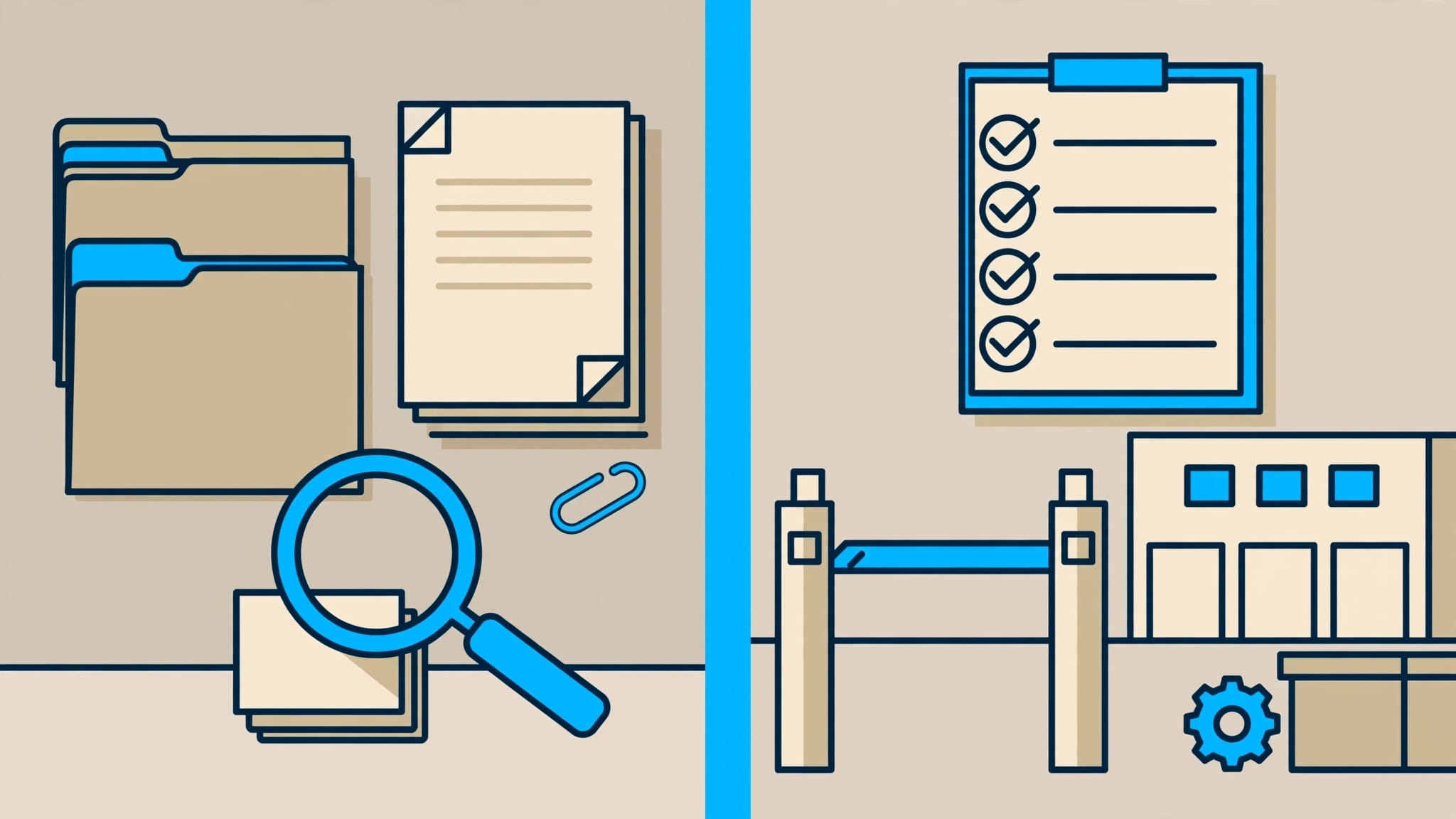
The main difference in a TISAX assessment is its depth: AL2 tests the plausibility of your self-assessment, whilst AL3 examines implementation comprehensively, including through on-site verification. The right route depends on your customer's required objectives, not your preferred audit budget.
For automotive suppliers, the commercial risk is preparing for an assessment that doesn't satisfy the contract. Start with the required assurance, then plan the scope, evidence and resources.
Key takeaways
AL2 and AL3 can produce TISAX labels; AL1 provides no externally validated label.
Both routes need operational evidence. AL3 adds more extensive testing and on-site examination.
Customer objectives determine the assessment route. Preparation costs, corrective actions and internal effort can exceed the external assessment fee.
TISAX AL2 vs AL3: the assessment differences
An assessment level describes how thoroughly an organisation's controls are examined. It isn't a maturity score or certification tier.
The comparison below separates assessment effort from customer acceptance.
Factor | AL1 | AL2 | AL3 |
Assessment method | Internal self-assessment | Independent plausibility review | Comprehensive independent assessment |
Evidence review | No external evaluation of implementation | Selected documents, evidence and staff interviews | Detailed evidence testing, interviews and observation |
Location | Internal exercise | Typically remote | Includes an on-site audit |
Duration | Internal preparation effort | Depends on scope and evidence readiness | Often 1 to 3 on-site days for a straightforward site, plus other assessment work |
Cost | Internal effort | ENX charges, provider fees and preparation | Same categories, with greater assessment and site-related effort |
Customer assurance | No externally validated label | Accepted where it meets requested objectives | Required for objectives demanding higher assurance |
Typical protection needs | Internal readiness | High protection, including confidential information | Very high protection, including strictly confidential information |
The ENX Participant Handbook explains these assessment methods. An AL2 result can be exchanged through the ENX Portal with authorised partners; it isn't a public listing. If a customer calls it an external audit, confirm the requested objectives and method; TISAX isn't a certification audit.
AL1 doesn't provide an independently assessed result for OEM assurance. AL3's on-site days are only part of the programme, not the total preparation timeline.
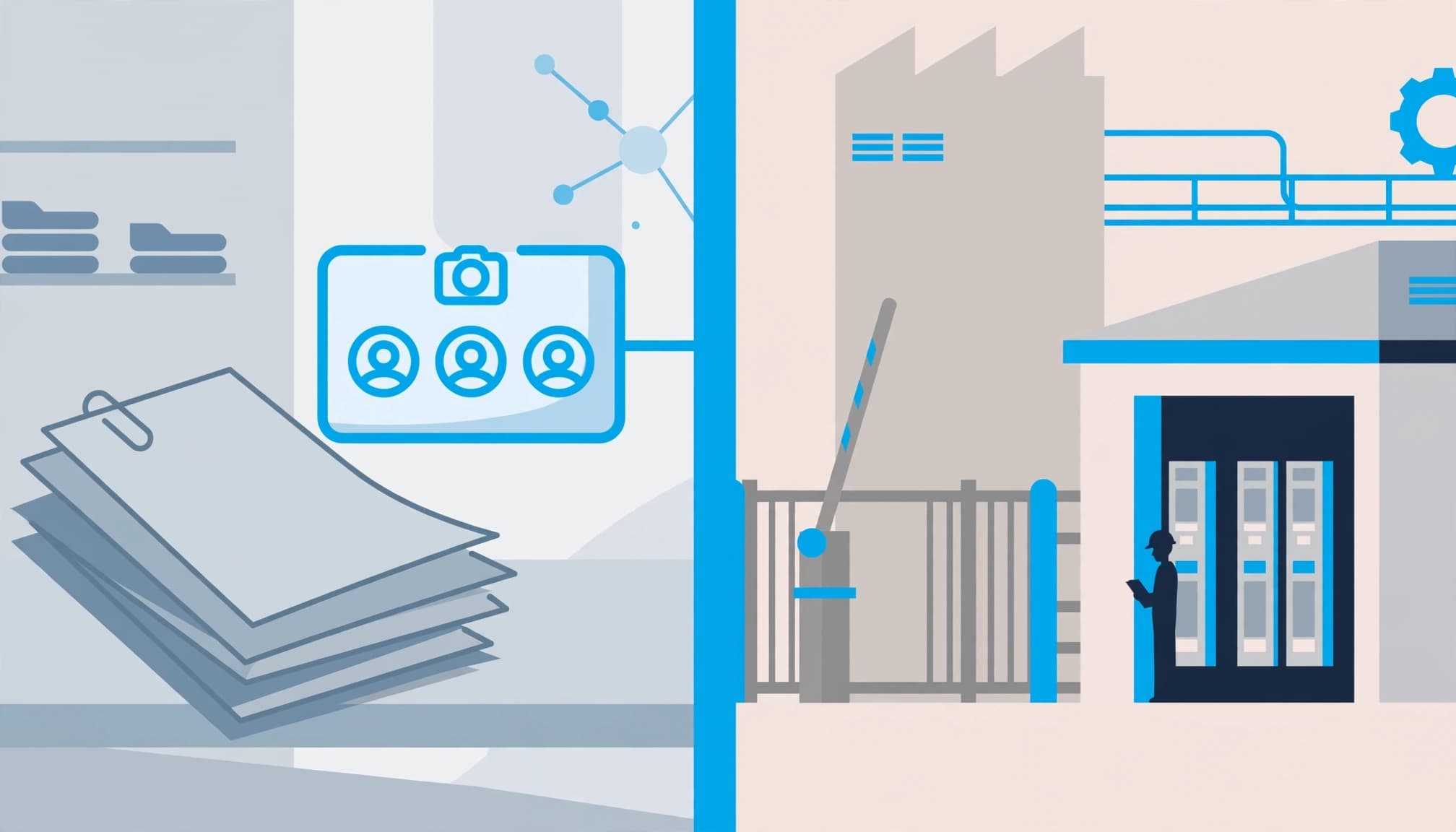
Choose the level through customer objectives
Start with the contractual requirement
The OEM or Tier 1 request establishes the assurance your organisation must provide. A lower-cost AL2 assessment won't satisfy a requirement for an AL3 objective.
Translate the request into the legal entity, locations, services and information flows covered. Include personal data where it affects Data Protection requirements, and map the activities to the appropriate scope module. Our guidance on defining your TISAX assessment scope explains why shared IT, warehouses and supporting functions belong in that boundary.
Confirm the scope boundary with the OEM or Tier 1, including whether shared IT and supporting sites are included.
Use this short decision checklist before committing expenditure:
Identify the customer's required assessment objectives and level.
Map those objectives to the information, services and locations involved.
Treat Information Security as one objective area, alongside applicable Prototype Protection and Data Protection requirements.
Distinguish confidential information from prototype objectives
Confidential information commonly maps to AL2; strictly confidential information maps to AL3. However, "pre-release" alone doesn't settle the assessment route.
Prototype parts and prototype vehicles require AL3 objectives. Test vehicles and prototype events can map to AL2. Availability and Data Protection objectives also affect the route, so commercial descriptions such as "prototype supplier" aren't sufficient scope definitions.
Prepare evidence that demonstrates daily operation
What an AL2 assessor examines
An ENX-approved audit provider reviews your self-assessment for plausibility, using selected evidence and interviews. A complete policy library doesn't establish readiness by itself.
For access management, evidence could include approved access requests, leaver records and completed permission reviews. Backup arrangements need restoration-test records, whilst supplier controls need documented evaluations and follow-up actions. For Data Protection, retain records showing who can access personal data and when permissions were reviewed.
Our TISAX evidence checklist helps map VDA ISA requirements and control evidence to the applicable Information Security objective. Assign each requirement an owner who can explain the process and retrieve evidence without relying on one project coordinator.
What AL3 adds on site
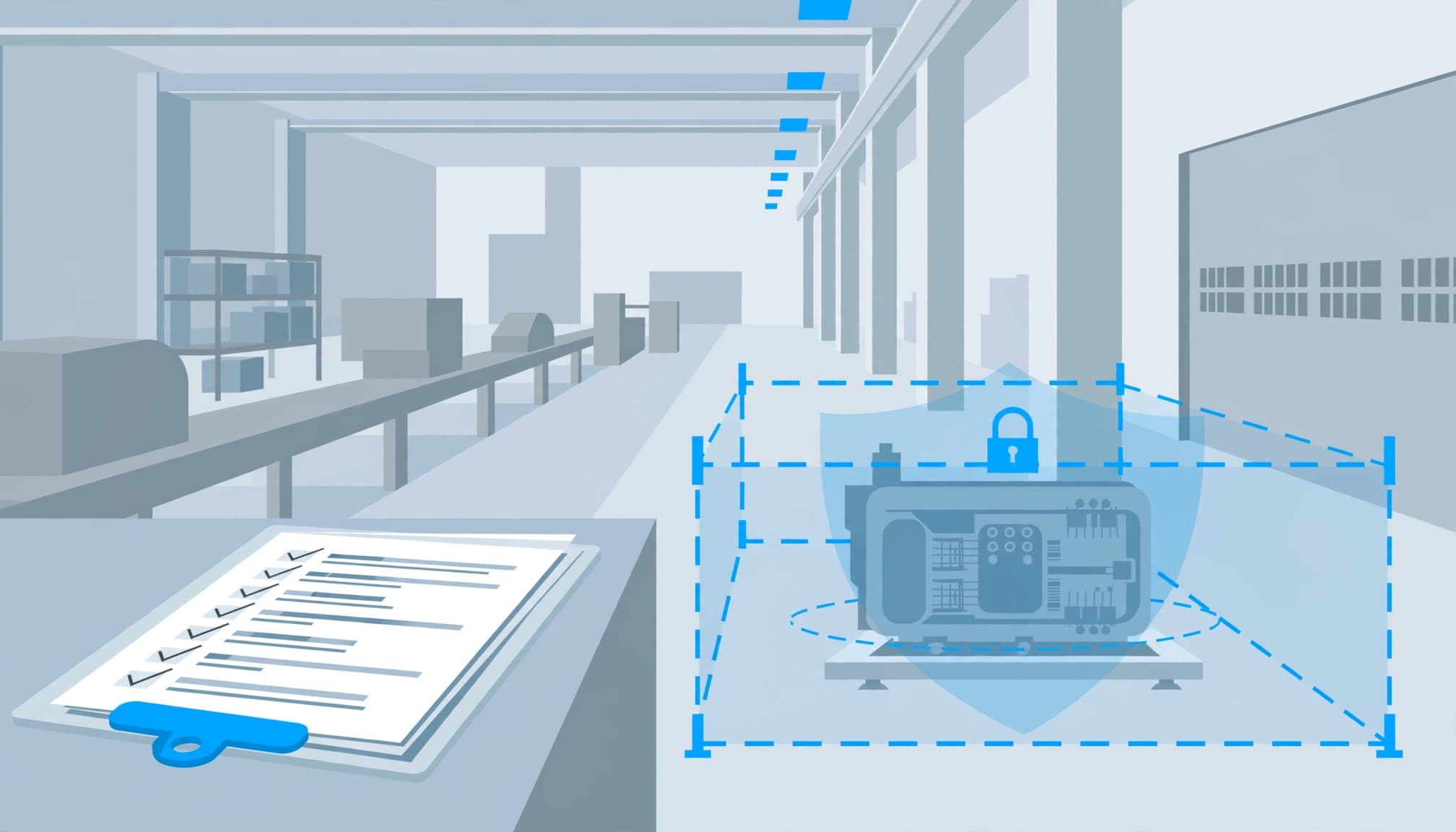
AL3 examines implementation more comprehensively. The assessor can inspect restricted areas, observe working practices and compare staff explanations with actual systems and facilities.
For Prototype Protection, written visitor rules need supporting entry records and working restrictions around sensitive assets. Staff also need relevant TISAX training, because interviews can expose differences between documented procedures and routine behaviour.
Evidence should show operation over time. Recently approved procedures can't retrospectively demonstrate months of consistent control.
Understand maturity scores and temporary labels
Maturity level 3 isn't assessment level AL3
Control maturity is scored on a scale from 0 to 5. A score of 3 describes an established, defined process; AL3 describes the depth of assessment.
The applicable questions and objectives in VDA ISA determine the required maturity targets and whether evidence shows controls are conformant. An organisation choosing AL2 still needs to meet its applicable requirements. The lighter assessment method doesn't permit weaker controls.
Similarly, a level-2 maturity score needs consideration against the required target and the significance of the weakness.
Temporary labels depend on the findings
A temporary label can follow a minor non-conform result when the assessor accepts the corrective-action plan. A particular maturity score doesn't automatically qualify an organisation.
Each action needs an owner, completion date and evidence demonstrating effective closure. The available assessment window extends up to nine months after the initial assessment's closing meeting.
Major non-conformities require a different response. They don't qualify for the same temporary-label route.
Build the timeline around readiness
Useful planning ranges are 3 to 12 months without an existing ISMS, 1 to 6 months with an established ISO 27001 system, and 1 to 3 months for renewal preparation.
These are preparation scenarios, not promised assessment durations. Controls requiring implementation and operating records can determine the critical path.
ISO 27001 training and internal-audit evidence provide useful foundations. However, TISAX requirements beyond ISO 27001 still need a gap analysis; ISO 27001 auditing doesn't replace the automotive assessment.
An existing ISMS also helps only where its boundaries and actual controls match the proposed TISAX scope.
Follow five phases and avoid predictable delays
A controlled programme follows five phases:
Register with ENX and establish the assessment scope, locations and objectives.
Complete the VDA ISA self-assessment and address implementation gaps.
Appoint an ENX-approved audit provider and organise evidence owners.
Complete the assessment, resolve findings and provide closure evidence.
Receive the result and authorise sharing through the ENX Portal. Confirm it meets the objectives requested by the relevant OEM or Tier 1 customer.
If a customer calls the work an external audit, confirm the required TISAX assessment objectives with the approved provider.
The most expensive mistakes often occur before interviews begin: selecting the wrong assessment level for a customer requirement, omitting a supporting location, or treating policies as proof of implementation.
Teams also lose time by closing corrective actions after editing a document but before testing the changed control. Confirm it is conformant in operation before closure. Leaving management review or internal assurance until the final week creates similar problems.
Our TISAX consultancy supports gap analysis and evidence-led preparation. A vCISO can coordinate ownership where senior security capacity is limited, whilst official TISAX auditing remains independent work for an approved provider.
Frequently asked questions
Can we move from AL2 to AL3?
Yes, but AL3 requires additional assessment depth and on-site work. Existing evidence remains useful where the objectives and scope align.
The change can require broader interviews, site arrangements and further implementation evidence. It shouldn't be treated as an administrative upgrade or an automatic conversion of an AL2 result.
How long does a TISAX label last?
ENX's TISAX overview states that labels are valid for three years. TISAX doesn't follow the standard annual surveillance-audit cycle associated with ISO management-system certification.
However, changes in ownership, sites, systems or customer requirements can affect scope before renewal. Controls still need ongoing maintenance throughout the validity period.
Which catalogue applies around the 2027 transition?
Assessments ordered during 2026 use VDA ISA 6.0.3. ISA2027 applies to assessments ordered from 1 January 2027, so the order date determines the applicable catalogue.
Build the project schedule around that distinction. Reusing an older self-assessment without accounting for the applicable requirements can create avoidable evidence gaps.
Build readiness around the required assurance
The decision between AL2 and AL3 starts with customer objectives and a complete scope. Working controls and traceable evidence then determine how confidently your organisation can demonstrate readiness.
Budget for implementation and corrective actions alongside assessment fees. This gives leadership a more realistic view of cost and delivery risk.
If you would like to find out more information or require any of our services please Contact Us and complete our contact form.