
CMMC Level 2: GCC High and Cross-Border Access
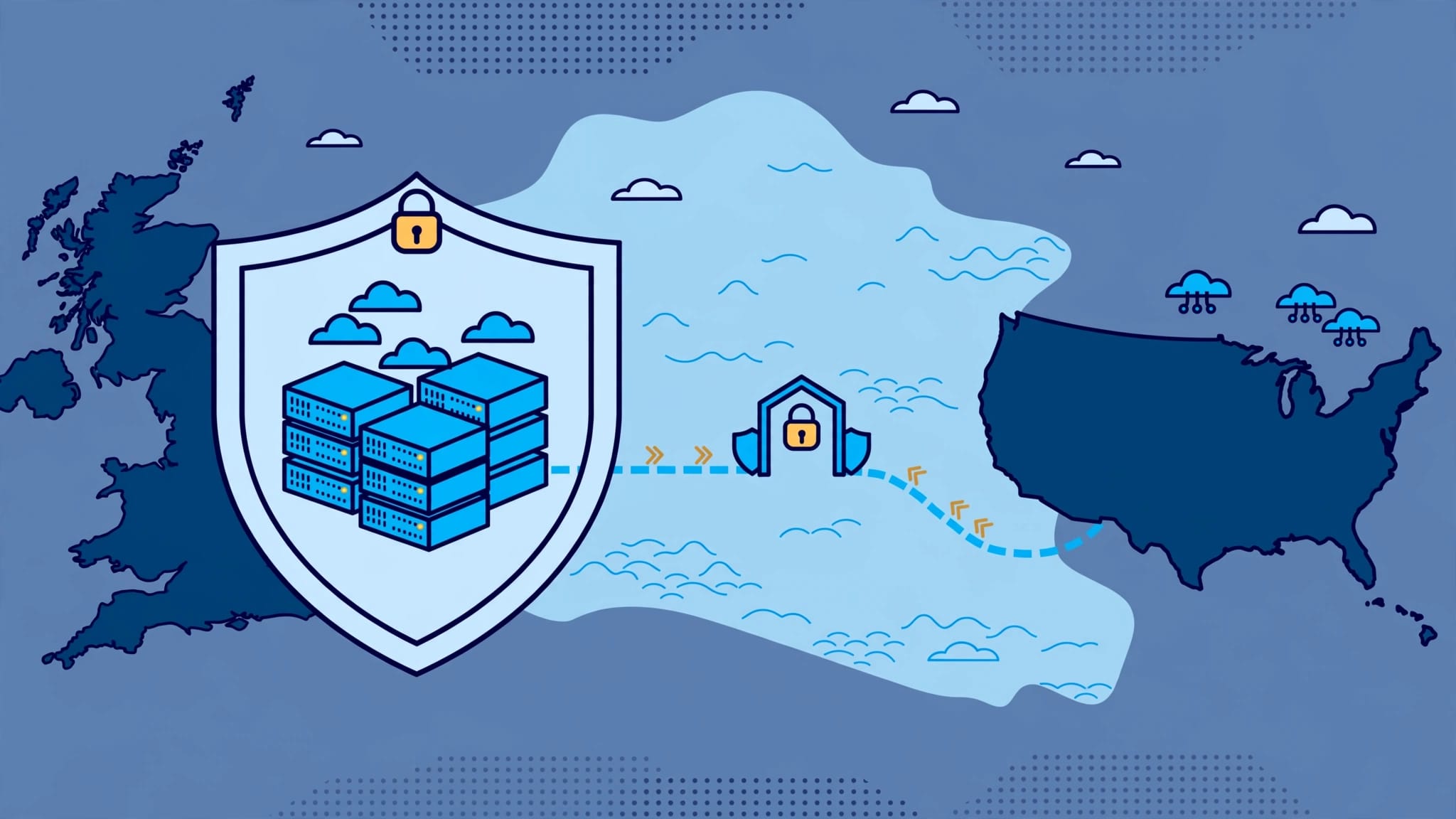
CMMC Level 2 can apply to UK and European suppliers in the US Defense Industrial Base when they handle Controlled Unclassified Information (CUI) under US defence contracts. GCC High isn't mandatory, and certification doesn't automatically authorise overseas access to controlled technical data.
Your starting point for CMMC compliance is the contract and information flow, not a cloud migration. Establish the required assessment route, define the systems handling CUI, and separate cybersecurity obligations from export-control restrictions.
That sequence gives your leadership team a defensible basis for investment in CMMC Level 2 and assessment readiness.
Key takeaways
Level 2 requires 110 NIST SP 800-171 Revision 2 security requirements across 14 domains, supported by objective-level evidence.
A tightly controlled CUI enclave can reduce assessment scope, but connected security services and support access still matter.
Cloud compliance, CMMC status and permission for cross-border access are separate decisions. None automatically satisfies the others.
1. Establish your contractual assessment route
CMMC, or Cybersecurity Maturity Model Certification, is governed by CMMC 2.0 programme rules in 32 CFR Part 170. Your contract and subcontract flowdowns from prime contractors establish whether CMMC Level 2 applies and the assessment route.
Our guidance on CMMC requirements for UK defence suppliers explains why a UK address neither creates an exemption nor automatically triggers certification.
Distinguish the three levels
The levels address different information and assurance needs. Check your contract and flowdowns to confirm whether a C3PAO third-party assessment is required.
Level | Information and requirements | Assessment route |
Level 1 | Federal Contract Information; 15 basic safeguarding requirements | Annual self-assessment |
Level 2 | CUI; 110 security controls, formally described as security requirements in NIST SP 800-171 Revision 2 | Self-assessment or C3PAO assessment |
Level 3 | Selected higher-priority programmes; additional NIST SP 800-172 requirements | Government-led assessment after the required Level 2 assessment |
Early DoD planning estimated that more than 80,000 organisations would fall within Level 2. However, that population estimate doesn't determine your individual contract requirement.
Separate assessment frequency from rollout dates
Where required, a Certified Third-Party Assessment Organisation (C3PAO) conducts the Level 2 certification assessment. Certification lasts three years, with an annual affirmation by a senior company official.
Designated lower-risk contracts can use the Level 2 self-assessment route, with results entered in the Supplier Performance Risk System (SPRS). Verify the SPRS entry after submission. That assessment also follows a three-year cycle, with annual affirmation, rather than an annual full reassessment.
The original phase dates were 10 November 2025, 10 November 2026, 10 November 2027 and 10 November 2028. Phase 2 was suspended in July 2026; Phase 1 requirements remain. A rollout change doesn't cancel an existing contractual obligation.
2. Define the CUI boundary and overseas access
Trace information beyond its main storage location
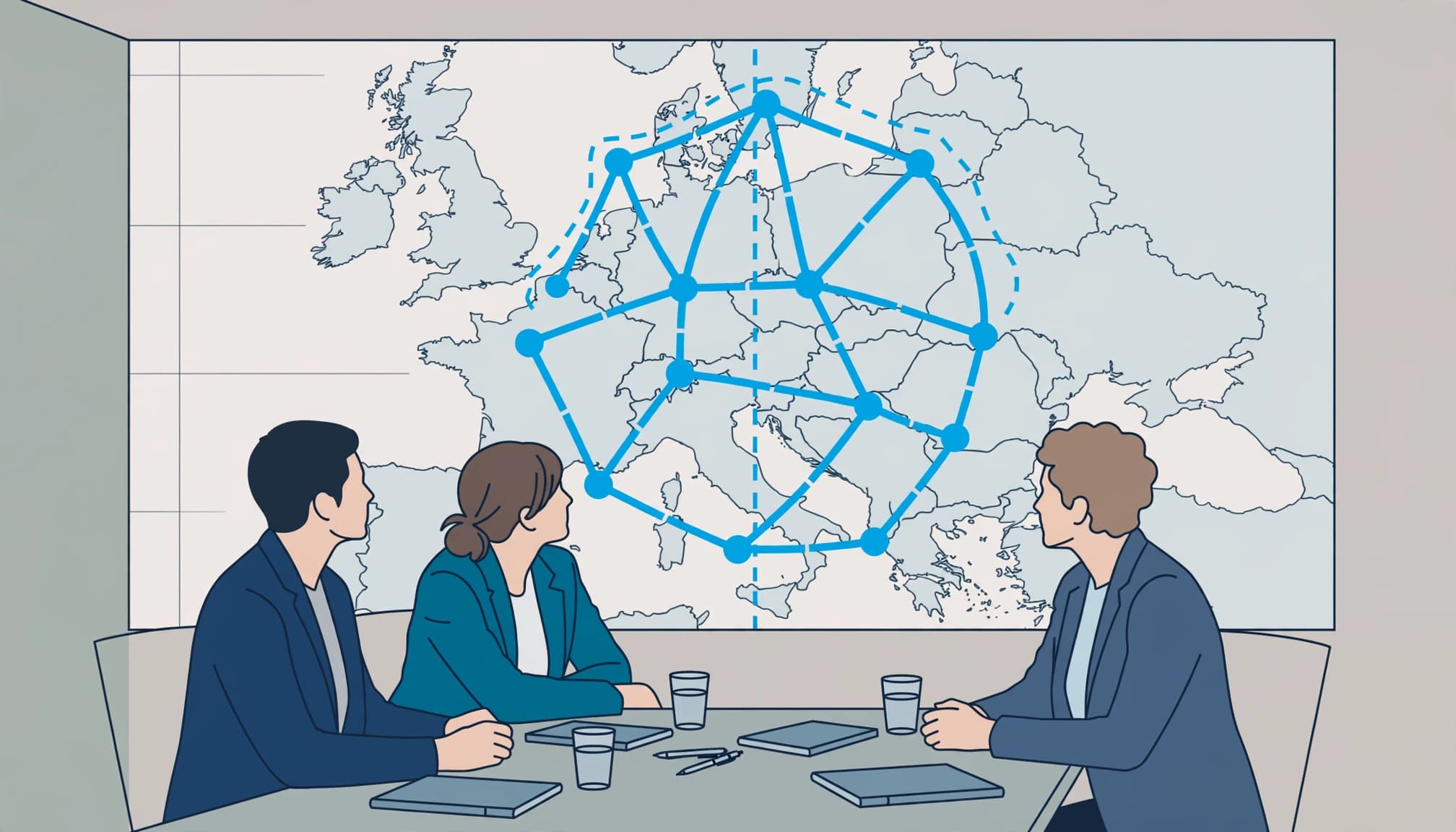
Identify where CUI enters, who receives it and where copies persist. Include engineering drawings, email attachments, collaboration platforms, backups and remote-support sessions.
A CUI enclave is a defined environment that separates protected work from ordinary business IT. Its boundary must account for systems providing security protection, not just servers storing documents.
Remote access can widen that boundary. A European engineer using a managed endpoint, for example, introduces device security, authentication and session-control requirements even when files remain on a US-hosted server.
Also exclude unauthorised AI assistants and transcription tools. ISO 42001 governance can support decisions about AI use, but it doesn't authorise disclosure of CUI.
Treat export permission as a separate requirement
CUI is an information-handling category, not an export licence. Some CUI also contains technical data subject to ITAR or EAR restrictions.
Access decisions therefore need to account for the data's classification, the person's nationality or status, their location and the applicable authorisation. UK or European employment alone doesn't establish permission.
Record approved countries and authorised user groups. Include administrators, subcontractors and emergency support personnel because privileged access can expose controlled information.
Keeping data in a US cloud region doesn't prevent an overseas administrator from accessing it. Storage location and access permission need separate controls.
3. Choose GCC High or another suitable architecture
GCC High is an option, not a CMMC mandate
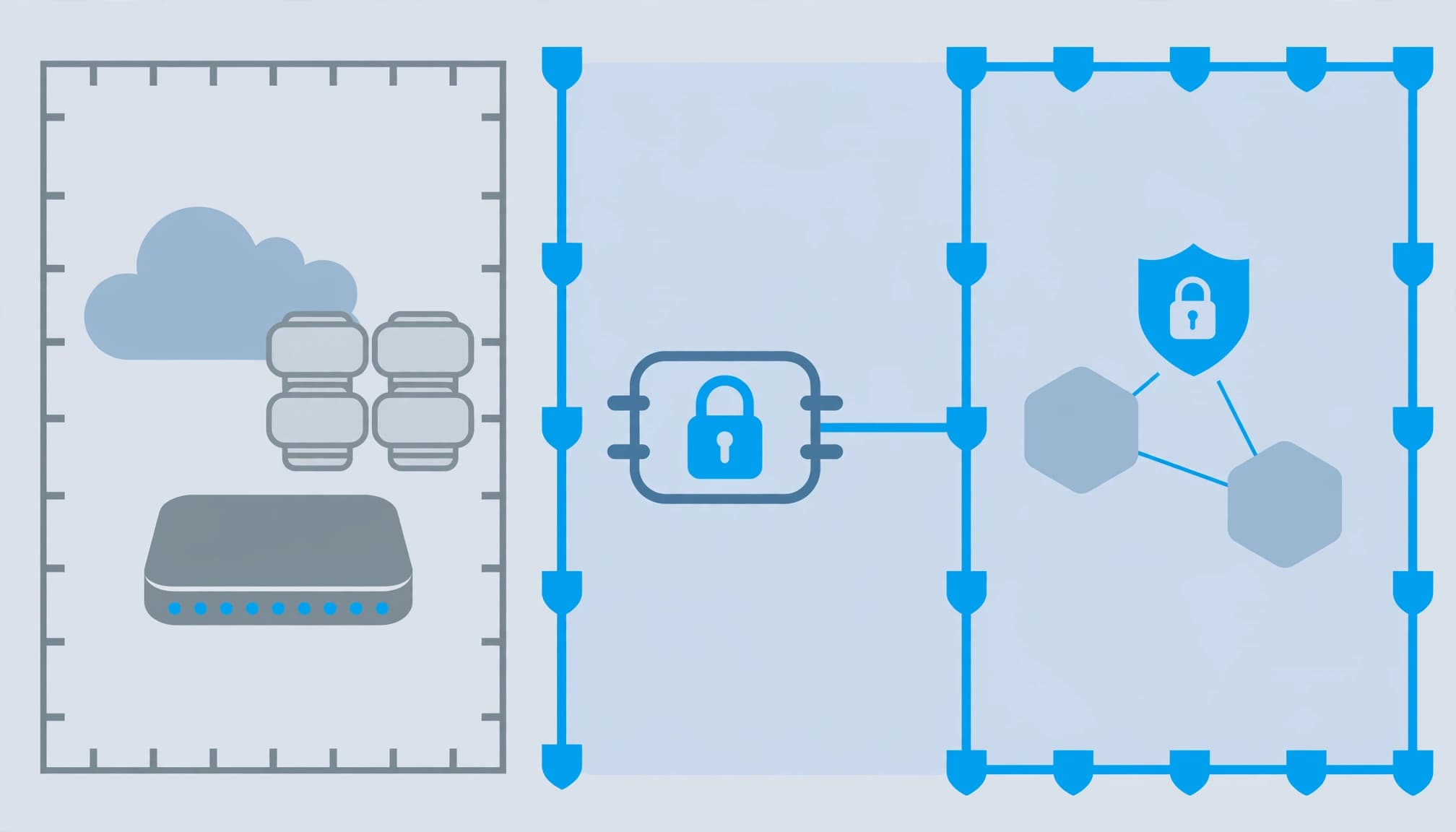
Microsoft 365 GCC High provides a US government-oriented environment with service and personnel restrictions relevant to certain defence workloads. However, CMMC Level 2 doesn't prescribe a Microsoft product.
A UK or European parent company shouldn't assume that GCC High procurement eligibility or overseas user access follows automatically. Those questions depend on the contracting entity, service eligibility and information restrictions.
Other compliant cloud services, on-premises infrastructure or a dedicated enclave may support the required controls. The architecture must satisfy applicable contractual requirements, including cloud obligations under DFARS 252.204-7012.
A cloud service processing, storing or transmitting CUI generally needs FedRAMP Moderate authorisation or recognised equivalence under those obligations.
Allocate provider responsibilities explicitly
A provider's assurance doesn't certify your tenant configuration, endpoints or staff behaviour. Document who manages identity, logging, encryption and evidence retention, and set clear incident response duties and reporting routes.
Managed service provider requirements depend on the service. A non-cloud provider handling CUI needs the applicable CMMC certification; a provider handling only security protection data follows different assessment-scope rules.
Therefore, avoid assuming every MSP needs identical certification. Your System Security Plan should identify inherited controls, customer responsibilities and the evidence each provider supplies.
4. Build the SSP and objective-level evidence

Explain implementation in the System Security Plan
The System Security Plan (SSP) is central to assessment. It describes the boundary, information flows, system connections and how each security requirement is implemented.
For access control, document how approved users receive access, who authorises privileges and how administrators remove access. Reference actual configurations and operating procedures.
Keep the SSP distinct from an ISO Statement of Applicability. ISO's information security management standard defines ISMS requirements; the SSP explains protection within the assessed CUI environment.
A risk acceptance recorded in your ISMS doesn't automatically excuse an unmet CMMC requirement.
Map proof to all 320 assessment objectives
The 110 requirements expand into 320 assessment objectives under NIST SP 800-171A. Assessors use examination, interviews and testing to establish whether applicable objectives are met.
A requirement doesn't receive partial credit because most of its objectives work. Every applicable objective needs a satisfactory outcome for final compliant status.
An evidence package should connect each objective to its owner and proof, with the evidence register cross-referenced to the SSP. Include approved access requests, authentication settings, access-review results, patch reports and incident response exercise records. Logs and control checks used for continuous monitoring also support operational evidence.
Cross-reference any open objective to the POA&M so remediation status and supporting evidence remain traceable.
Policies describe intended behaviour. Logs, configuration exports and completed records demonstrate implementation.
5. Close gaps before rehearsing the assessment
Complete a documented self-assessment before commissioning the independent assessment. Use a gap analysis to identify and prioritise unresolved requirements. Any declaration of 100% compliance must match the implemented environment and evidence.
The rules permit a limited conditional route, so a blanket claim that every contractor must self-attest to complete implementation before any C3PAO activity oversimplifies the position.
Use POA&Ms within their limits
A Plan of Action and Milestones (POA&M) records unresolved requirements, remediation actions, accountable owners and completion dates.
Conditional Level 2 status requires a minimum score of 88 out of 110. Certain requirements cannot remain open. Eligible POA&M items must close within 180 days.
Therefore, a POA&M isn't general permission to postpone difficult controls. Final status depends on successful closeout.
Rehearse the actual assessment boundary
A useful mock assessment follows the same enclave, provider dependencies and objective set as the intended assessment. Prepare staff for the audit process with interviews and technical demonstrations.
Scope the engagement by systems, objectives, evidence review and retesting. A document-only review won't reveal whether access restrictions work or staff can follow the relevant incident response procedure.
Our Level 2 assessment preparation guide provides further context on evidence and assessment activities.
6. Fund readiness and reuse existing governance
Budget for implementation as well as assessment
Your budget should distinguish migration, licensing, remediation, internal effort and independent assessment. A smaller enclave can reduce exposure, but its integration and operating costs remain.
Assessor availability also affects scheduling. Earlier estimates of fewer than 100 C3PAOs and six-to-eighteen-month waits shouldn't become fixed planning assumptions for November 2026.
Reuse evidence without claiming equivalence
Existing ISO 27001 consultancy, training and auditing work can support ownership, risk management and repeatable evidence. However, it doesn't replace objective-level CMMC assessment.
Similarly, ENX's TISAX framework supports automotive information-security assessment and exchange. TISAX consultancy, training and auditing experience can strengthen shared processes, but its assessment result doesn't confer CMMC status.
A vCISO can coordinate the common governance programme whilst preserving framework-specific records. At AKRUP, we support gap assessment, implementation and readiness without replacing the independent assessor's decision.
Frequently asked questions
Does GCC High make our organisation compliant?
No. It can support relevant requirements, but your organisation remains responsible for configuration, endpoint security, authorised access and evidence. Export restrictions also remain separate.
Can European employees work within a US-hosted enclave?
Yes, where contractual terms and applicable export authorisations permit their access. Hosting location alone neither grants permission nor prohibits all overseas participation.
What happens after certification?
Maintain the assessed controls, refresh evidence after significant changes and submit the annual senior-official affirmation. The three-year certification cycle doesn't remove ongoing operational responsibilities.
Build around the contract and the CUI boundary
For UK and European suppliers, a defensible boundary connects contractual obligations with workable security controls. Cloud selection follows that decision, alongside separate rules for overseas access.
Prioritise an accurate SSP and operating evidence before assessment. That reduces avoidable expenditure and gives your leadership team a sound basis for annual affirmation.
If you would like to find out more information or require any of our services please Contact Us. Complete the contact form with your contractual requirement and intended assessment scope.